Nautil becomes a partner in the AIMused project: artificial intelligence in the service of accessible tourism
We are proud to announce that Nautil has joined the international consortium delivering the AIMused project. It is an innovative initiative in the Baltic Sea region that combines modern technology with social...

We are proud to announce that Nautil has joined the international consortium delivering the AIMused project. It is an innovative initiative in the Baltic Sea region that combines modern technology with social responsibility.
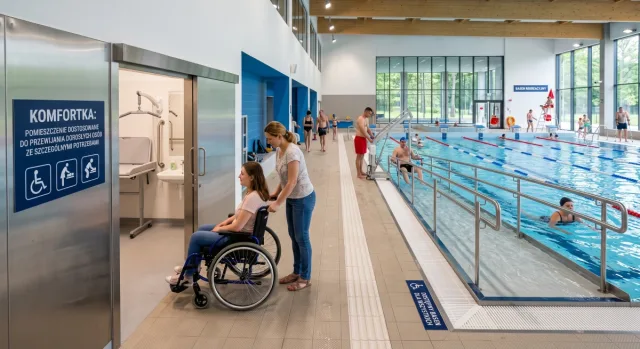
The aim of the project is to improve the accessibility of tourist and educational attractions. Together with partners from Poland, Germany, Denmark, Sweden and Lithuania, we will work on solutions that use artificial intelligence (AI) to make museums, science centres and other cultural venues welcoming to every visitor, regardless of age, ability or cognitive needs.
As the technology partner, Nautil will contribute its experience in building digital tools that help break down barriers and make discovering the world more intuitive. The project is co-financed by the Interreg South Baltic 2021–2027 programme.
Read on for details of our role in this undertaking and a full description of the project's objectives.
Read the full information about the AIMused project (opens in a new tab)