Accessibility in culture in practice: what did the AIMused study visit to Poznań teach us?
Accessibility in culture means designing spaces, content, events and ways of communicating so that they can be used by people with different needs and abilities. It does not end with a ramp, audio description or meeting legal requirements. It is a process that requires listening to users, testing solutions and continuously improving them.
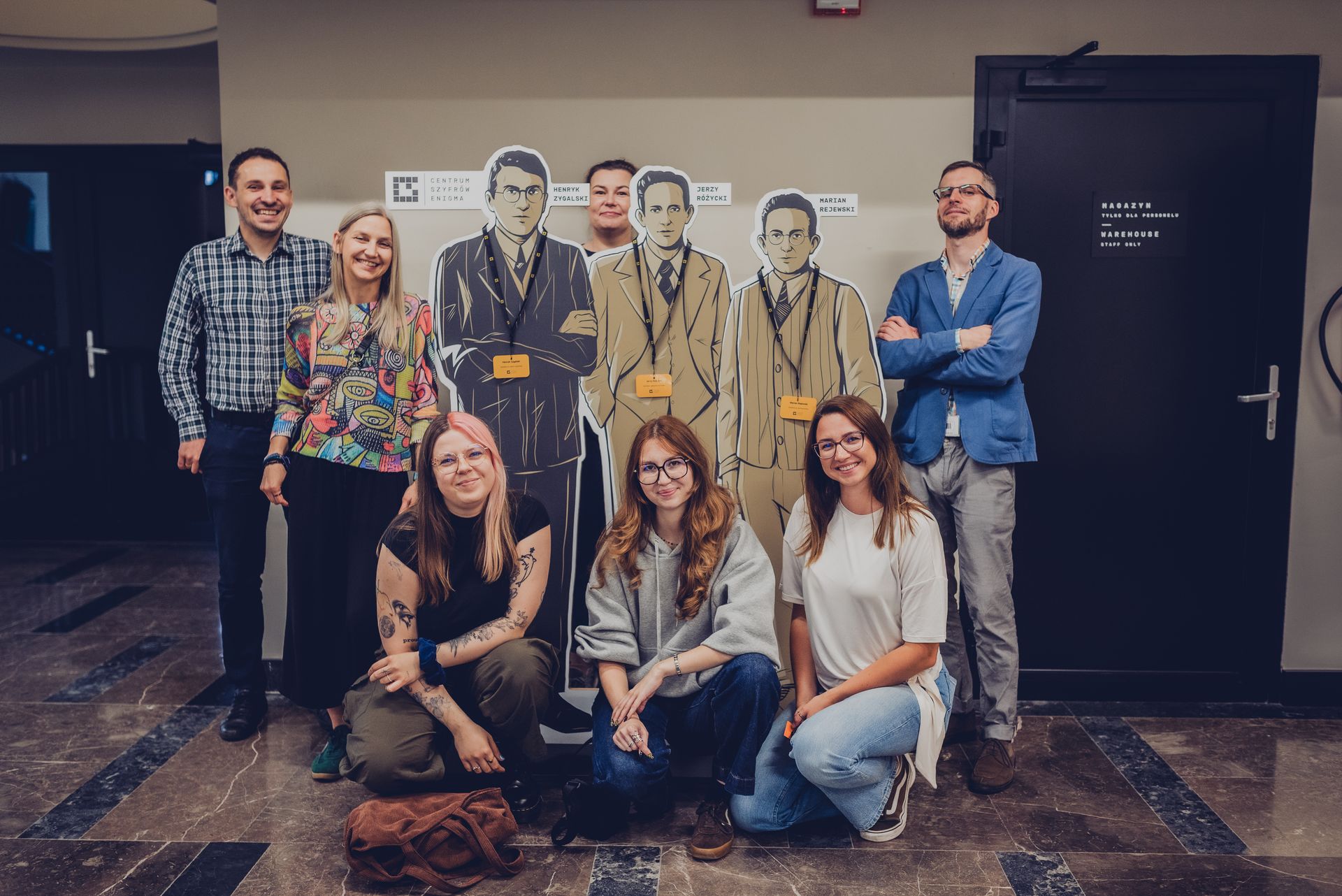
In the second half of August, as part of the AIMused – Accessibility Integration and Artificial Intelligence for Museums project, the Nautil team, together with the team from Gdynia Aquarium, visited Poznań.
We wanted to see how accessibility works in practice: in public urban space, in historic buildings, in a museum, at an exhibition and during a film screening.
Our meetings with representatives of the City of Poznań, the Enigma Cipher Centre, CK Zamek (Zamek Culture Centre) and Kino Bez Barier (Cinema Without Barriers) showed us one thing above all:
there is no single recipe for accessibility. Good solutions emerge when an institution knows its audiences, talks to them and is ready to fix what does not work.
Why is accessibility in culture about more than an accessible building?
We often associate accessibility primarily with physical space: a lift, a ramp, the width of a doorway or an accessible toilet.
These are important elements, but the user experience starts earlier and ends much later.
Will visitors find clear, understandable information about the event? Will they know how to get there? Will a blind person be able to explore the exhibition? Will a Deaf person receive information in Polish Sign Language? Will someone sensitive to sensory stimuli find a quieter space? Will the institution’s staff know how to respond to a particular person’s needs?
That is why, during our visit, we looked at accessibility more broadly — through the lens of the entire user experience.
An accessible city starts with people
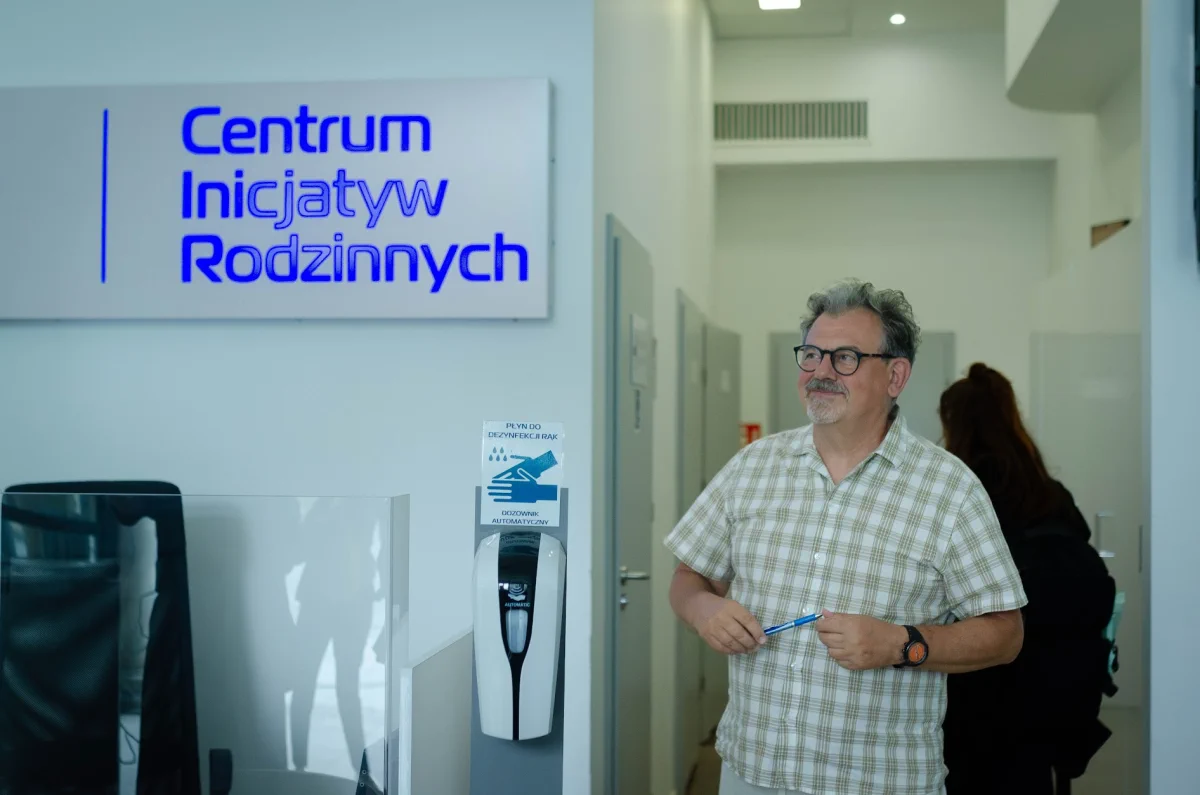
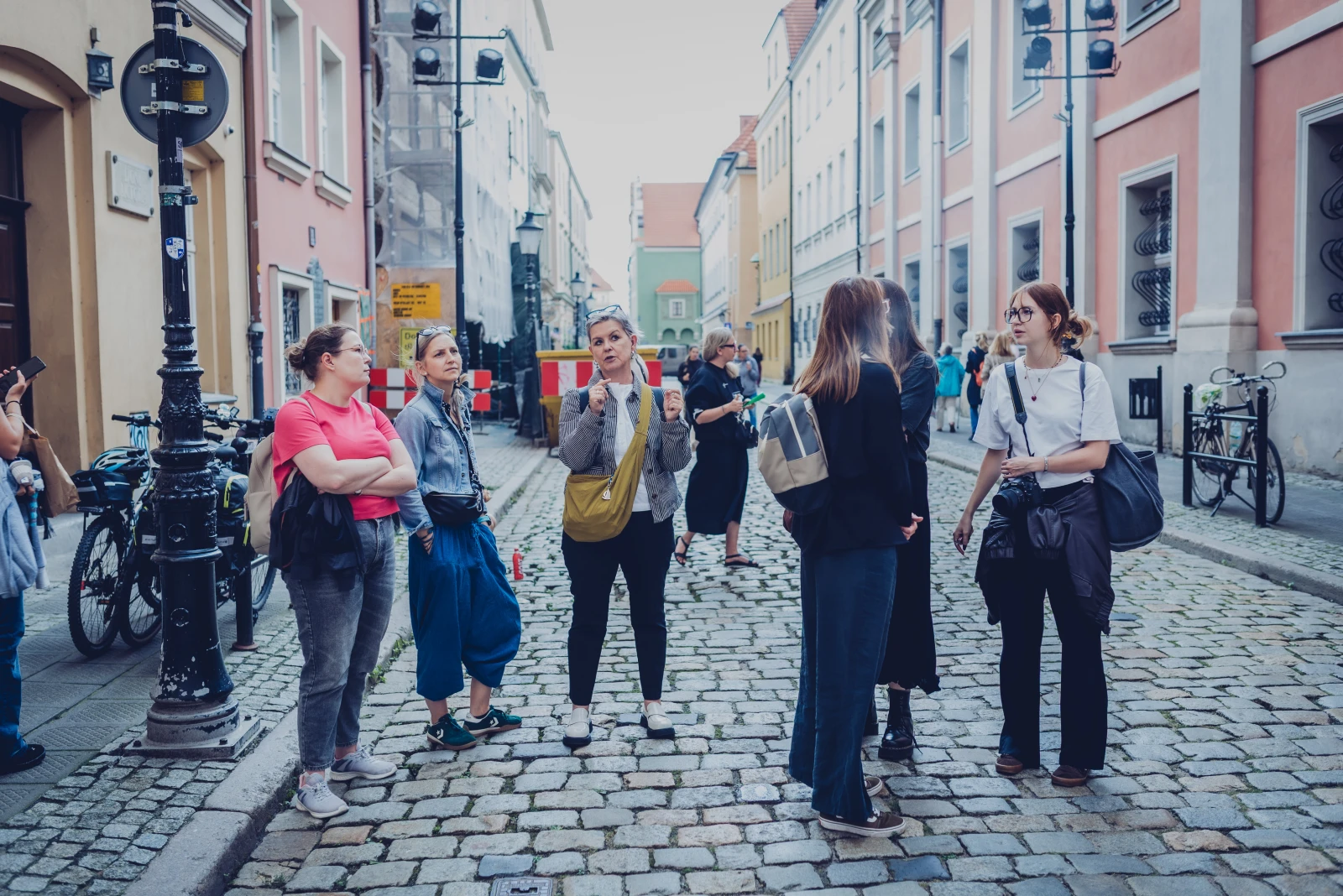
We talked about accessibility in Poznań with Agnieszka Maciejewska, Accessibility Coordinator at Poznań City Hall.
We discussed accessibility both in the city itself and within City Hall. Agnieszka explained how accessibility starts with people: today, every new civil servant completes a module on accessibility as early as their induction training, and the whole office regularly trains in disability etiquette and in evacuating people with reduced mobility. A separate, long-running strand is plain language – City Hall runs a programme together with Adam Mickiewicz University aimed at making official letters simple, clear and written “in human terms”.
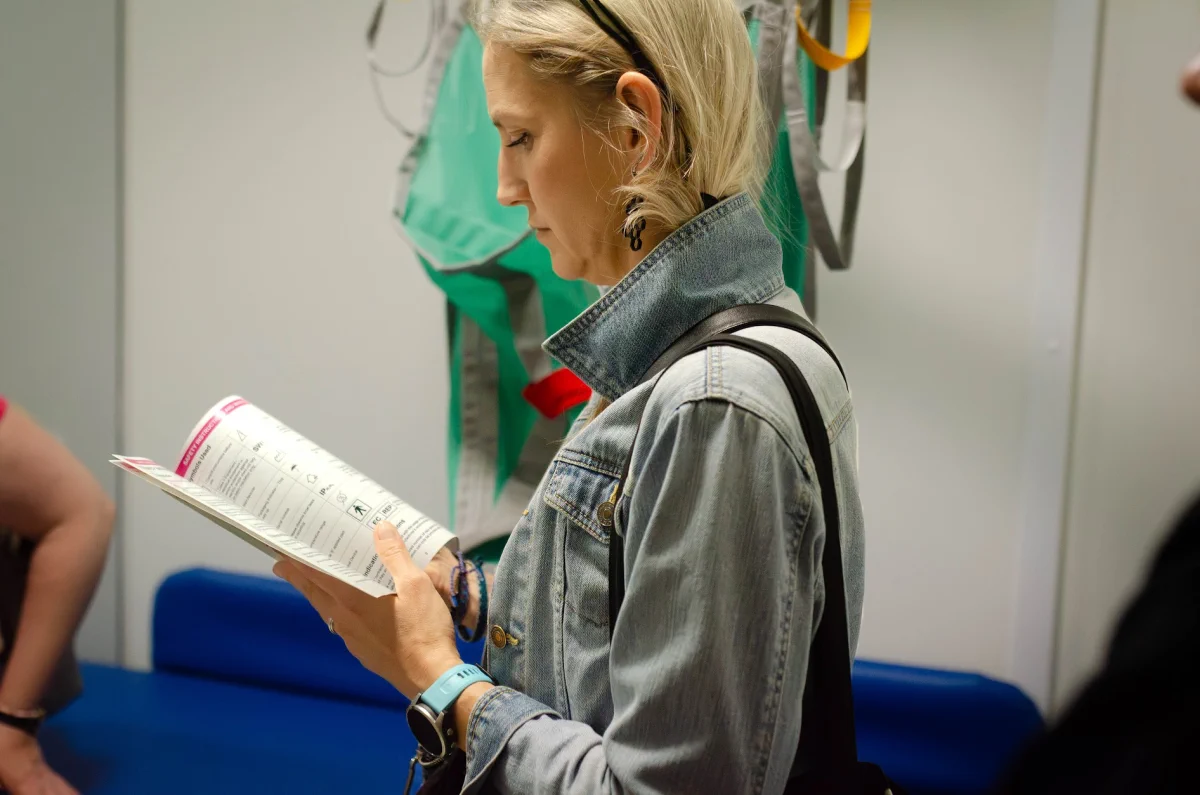
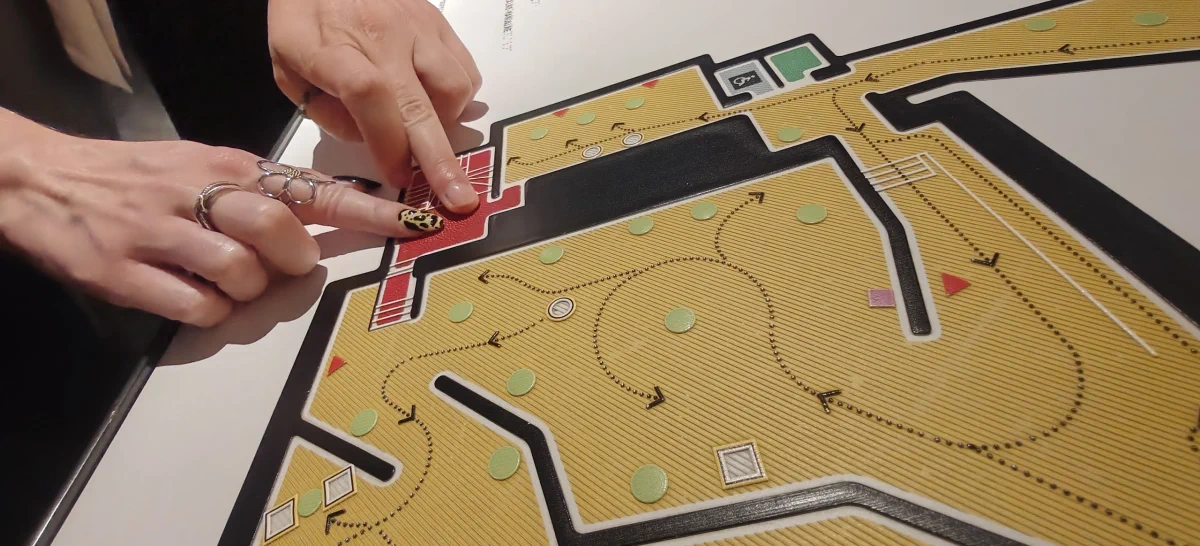
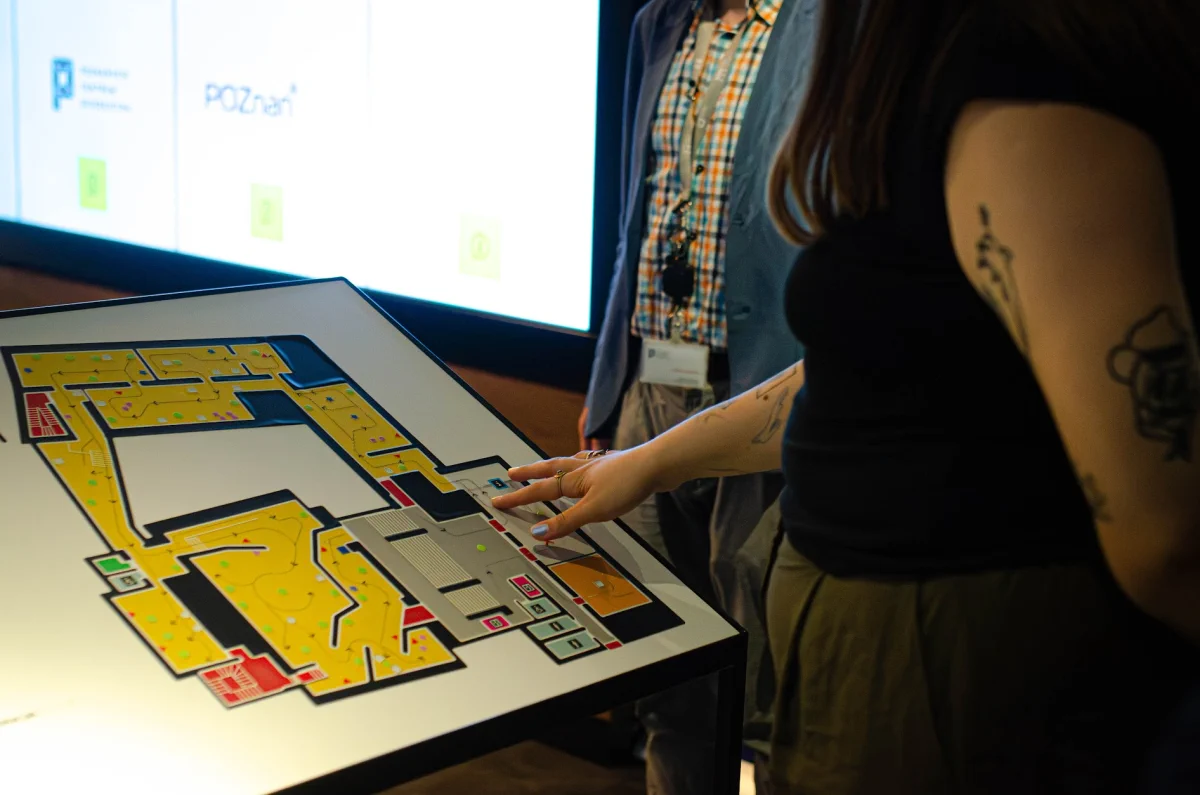
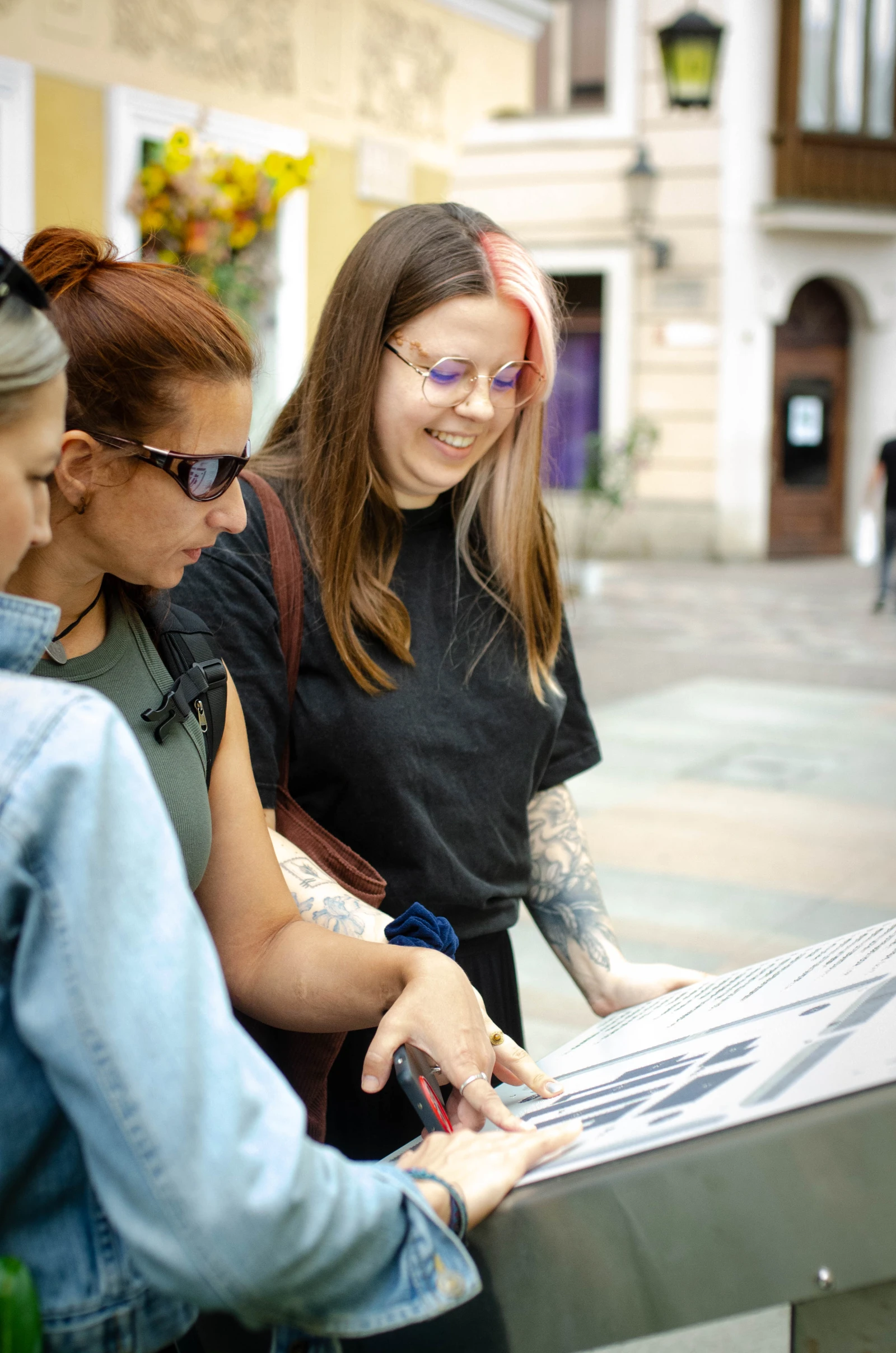
In the city’s public spaces, all of this translates into concrete solutions: the Totupoint system, which helps blind people find their way around; tactile models and tactile boards with Braille descriptions; a Polish Sign Language interpreter available online throughout City Hall’s working day and in person once a week; as well as accessible public toilets, and swimming pools and bathing areas equipped with hoists and amphibious wheelchairs that allow wheelchair users to get into the water.
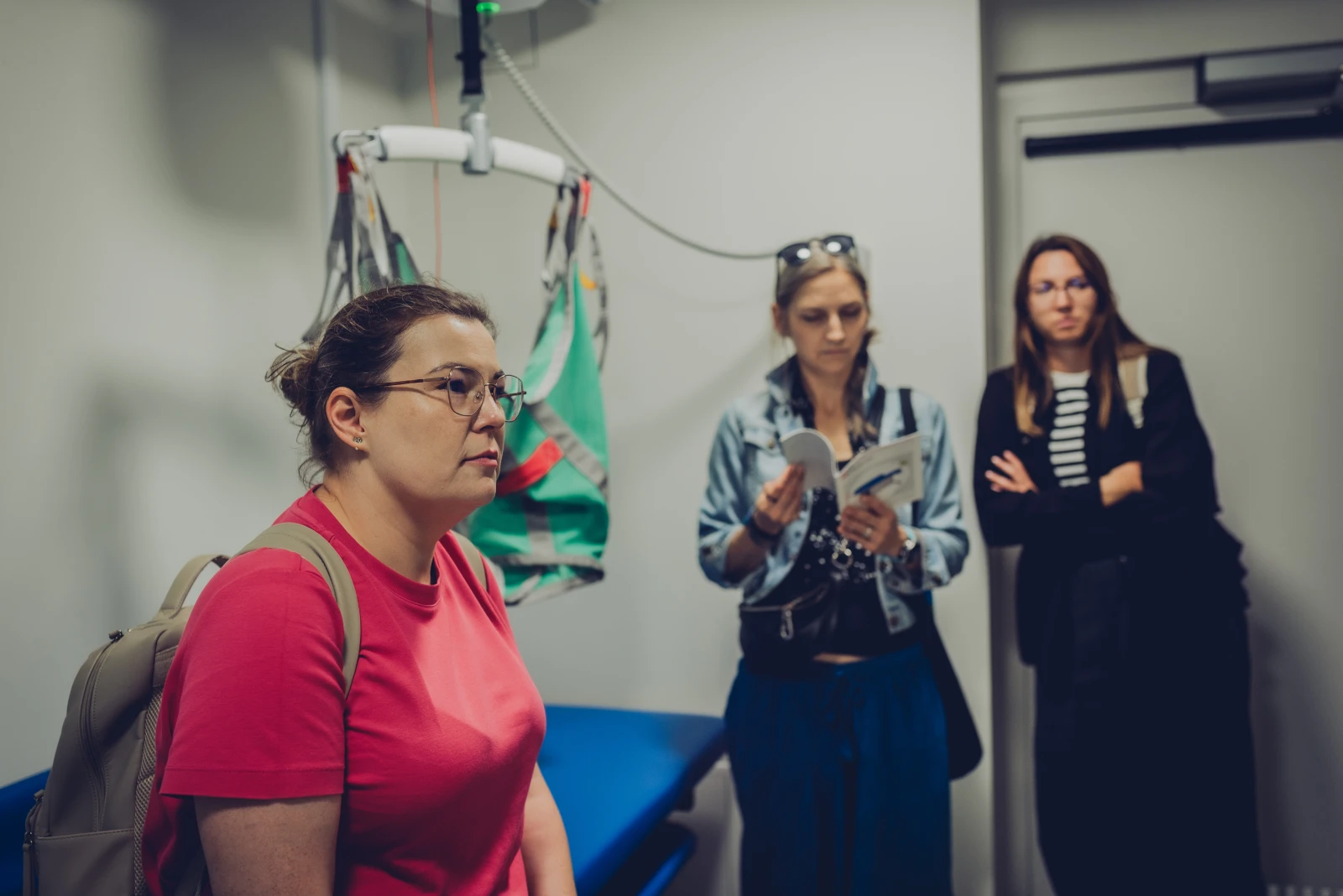
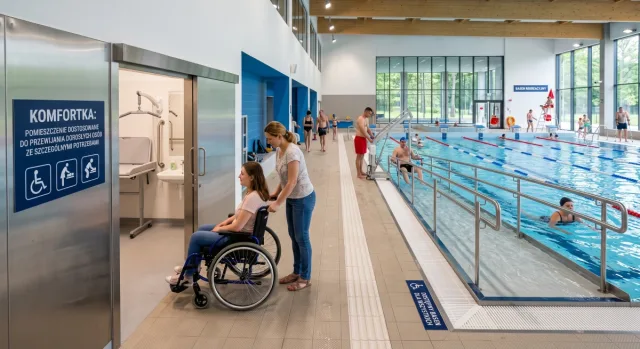
We also talked a lot about Komfortki – specially equipped toilets and changing spaces created as part of the nationwide “Przewijamy Polskę” (“Changing Poland”) campaign. We were able to see several of them on site in Poznań. Agnieszka showed us how many details need to be thought through for such a space to really work – from the angle of the mirror to the position of the emergency button. It is a solution designed first and foremost with disabled people in mind, but it is just as useful for parents with small children – and, although most of us rarely think about it, it is genuinely needed in public spaces.
As Agnieszka emphasised, all this work does not come solely from regulations or funding, but to a large extent from conversations with disabled residents and the organisations that represent them – and from a willingness to fix even small, seemingly insignificant things. As she summed it up herself: accessibility is a process, and to a large extent a process of thinking.
How do you make an exhibition built on puzzles accessible?
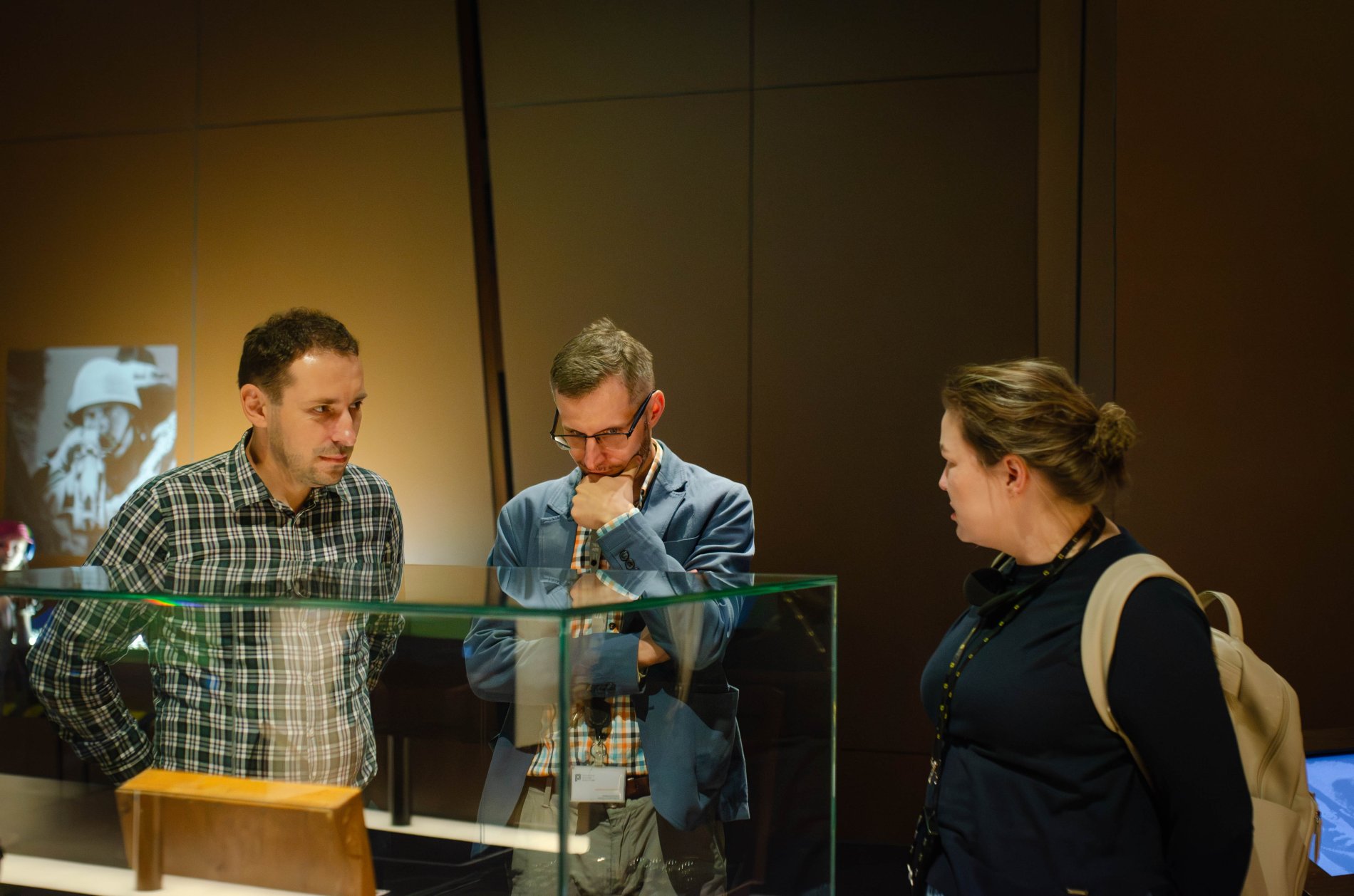
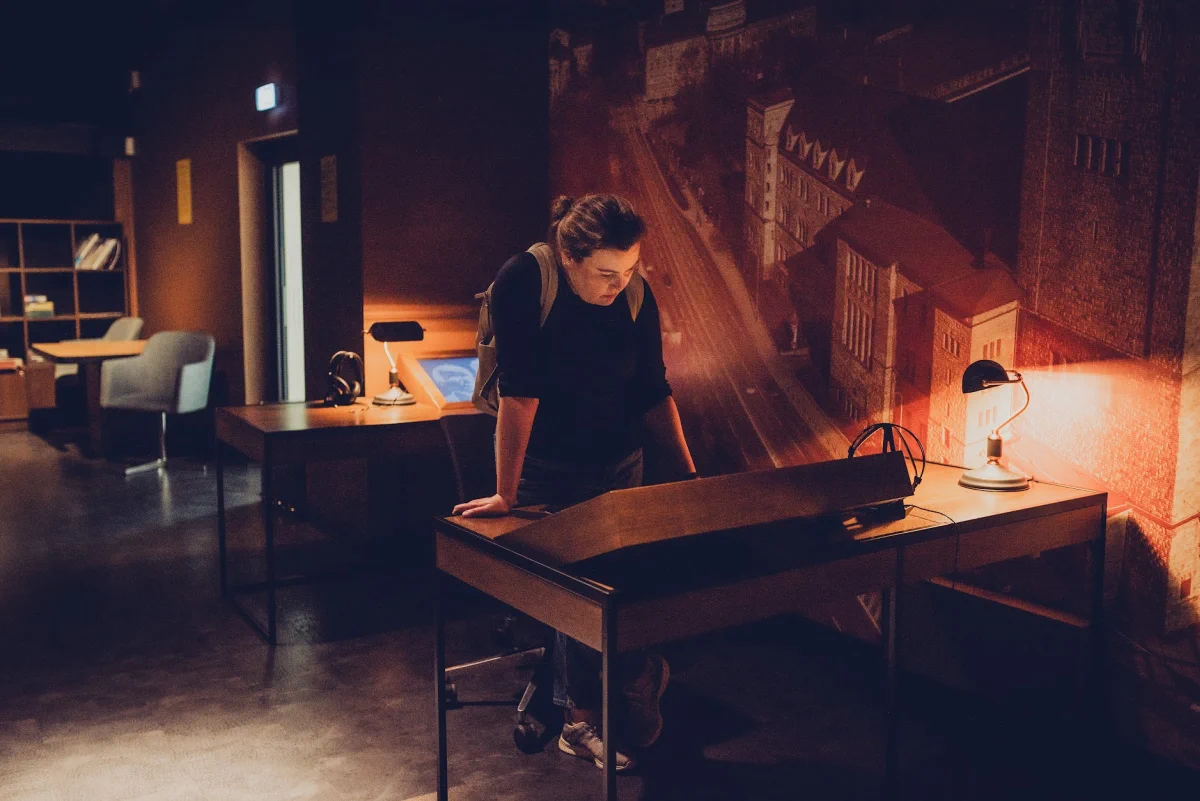
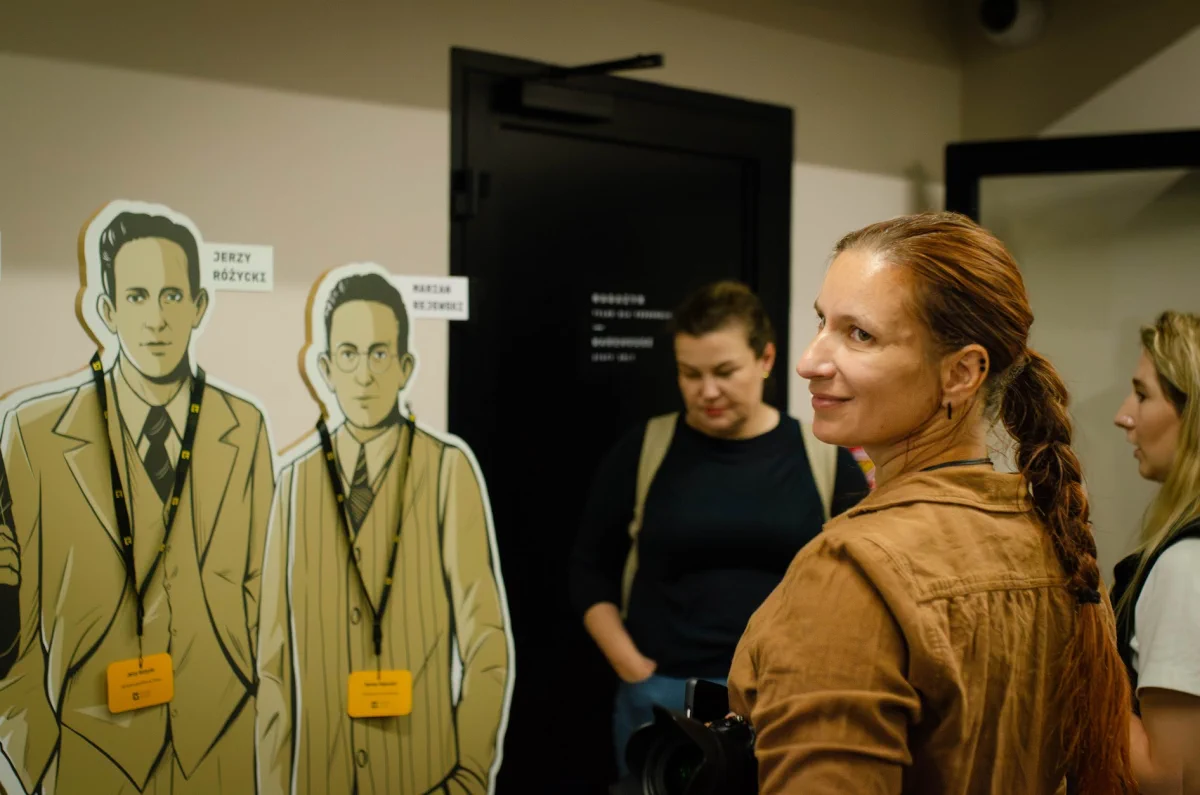
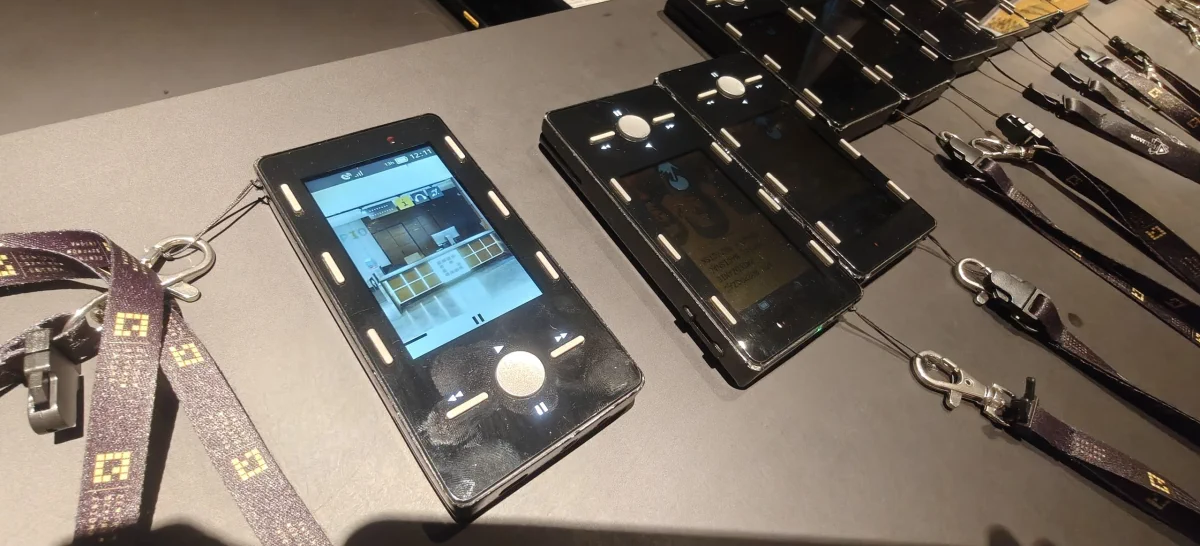
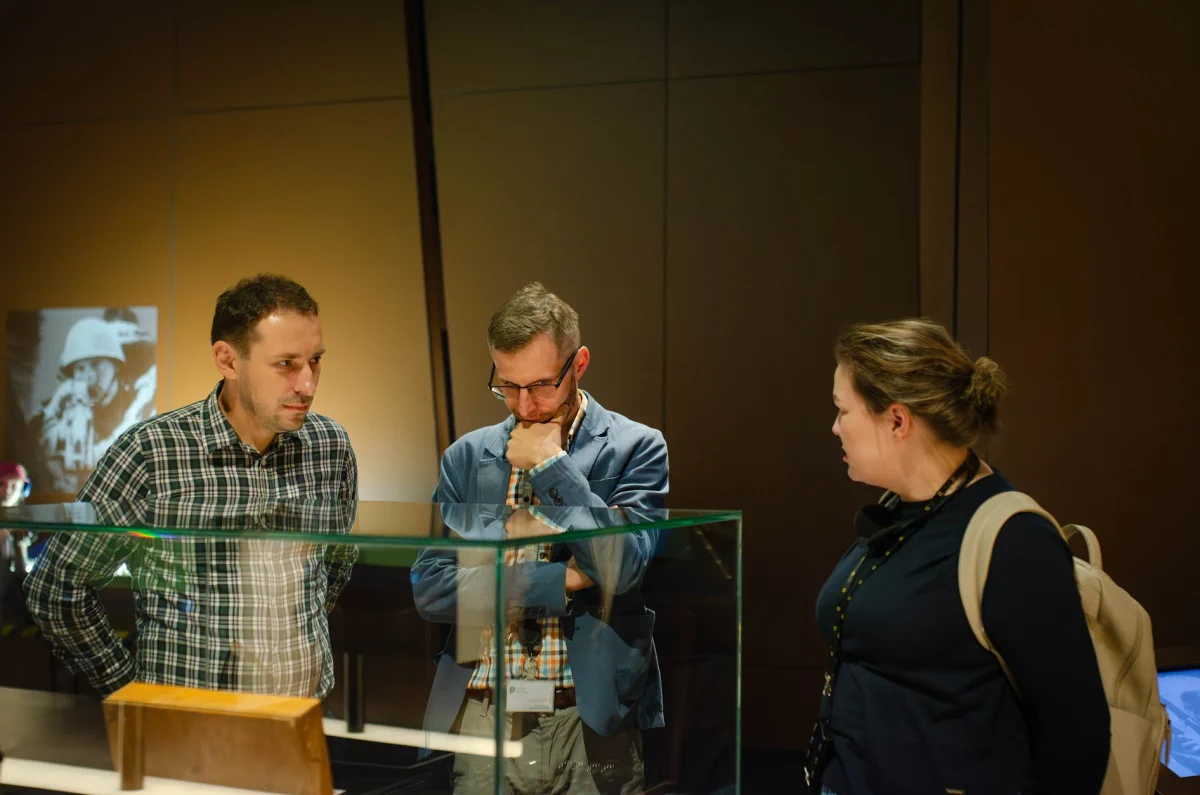
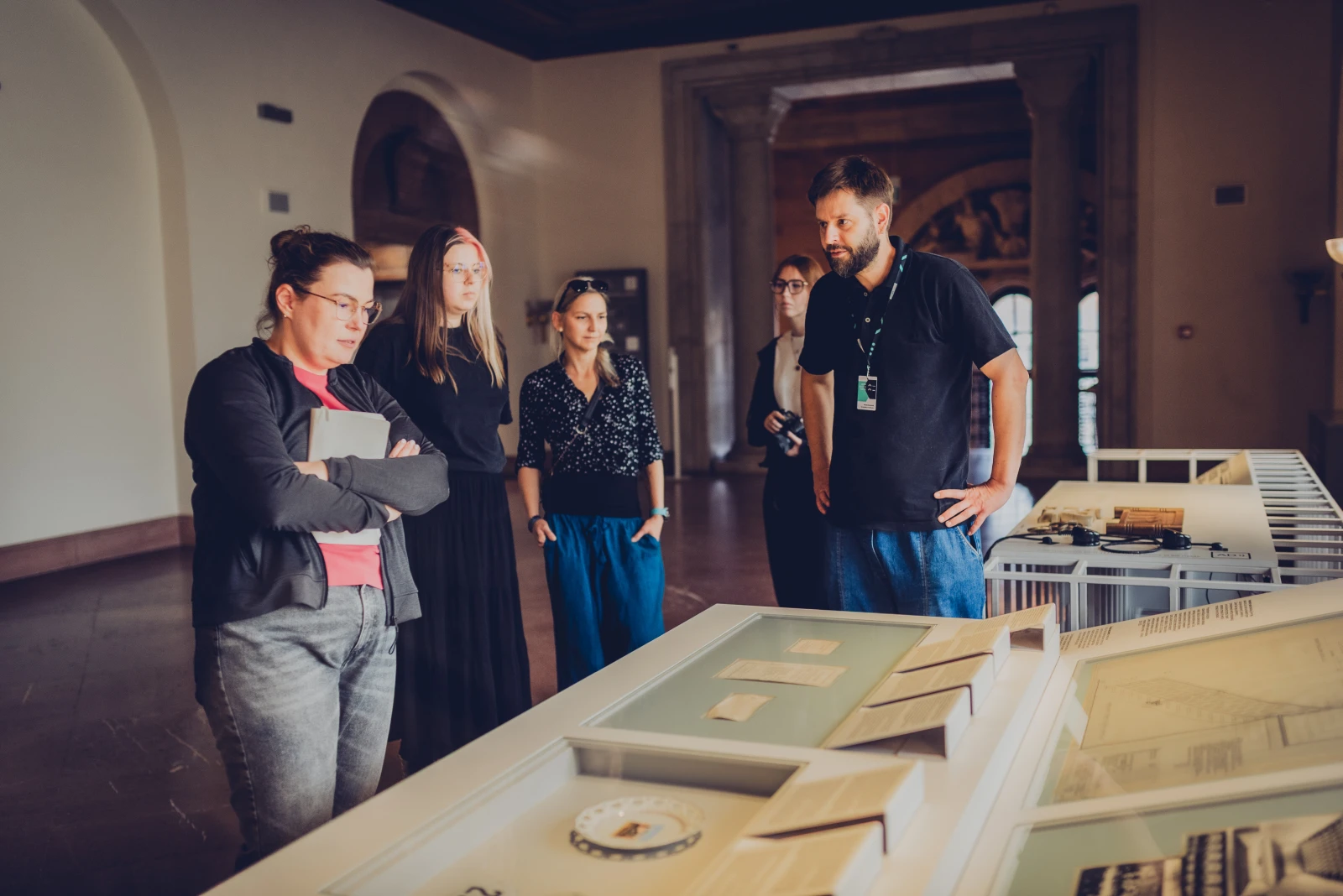
This was one of the most interesting questions raised during our visit to the Enigma Cipher Centre, which tells the story of codebreaking through an exhibition built partly around puzzles for visitors to solve. This unusual format turns accessibility into a truly creative challenge: simplified formats and plain-language versions of the tasks sit alongside audio guides available in several language versions, including Polish Sign Language and Easy-to-Read (ETR). Guided tours are adapted to different groups. The Centre also runs a growing range of workshops, for example for older people. Interestingly, in response to seniors’ interest in technology, it organises meetings on using technology in everyday life and in the social sphere.
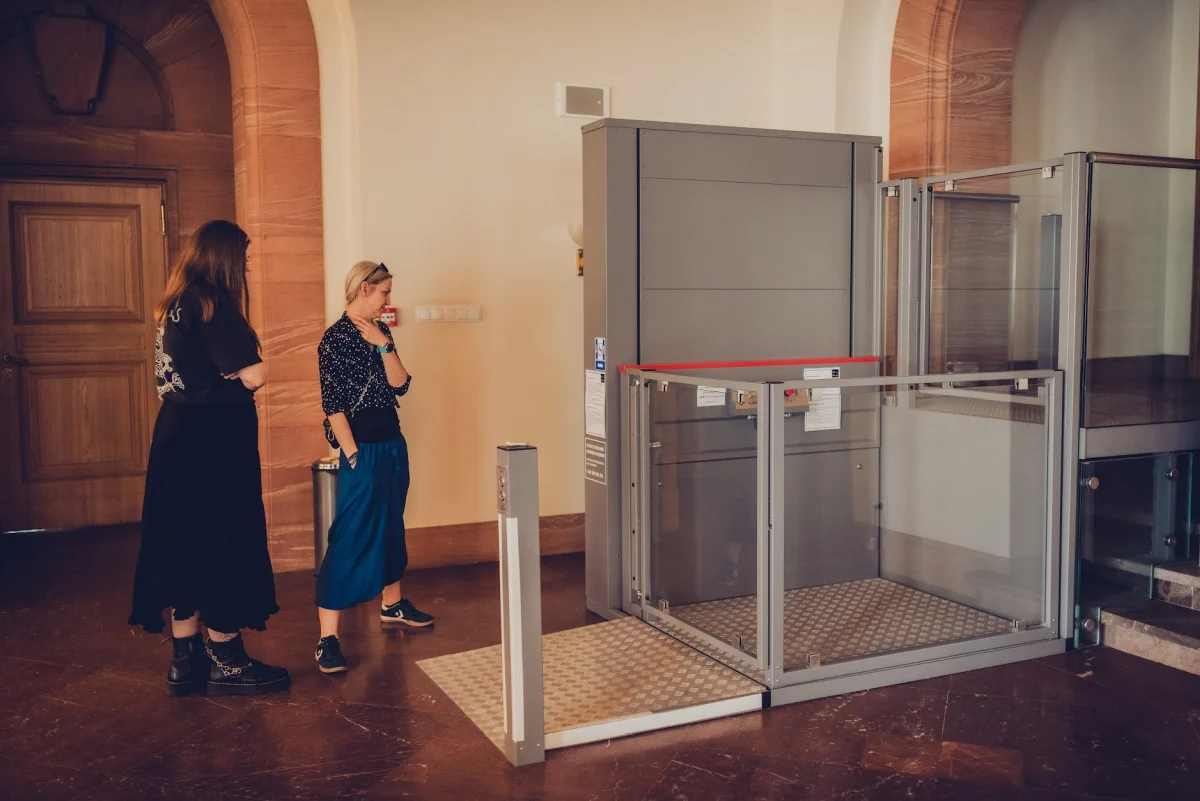
The building itself is a separate challenge: it is a listed heritage building under the supervision of the monument conservator and is shared with another institution, so bringing it up to a good standard of architectural accessibility required real, well-thought-out effort. The result is quite satisfying: although a few rooms are still challenging, the exhibition space and the route to it are accessible to everyone.
Because of the Centre’s educational character, the exhibitions are visited by many school groups, children and young people, which makes most rooms fairly noisy – and that can be difficult for some visitors. For people sensitive to noise and sensory overload, the team has set up a dedicated quiet room and designated quiet hours, giving visitors the chance to explore the museum at their own pace.
It is clear that the Enigma team has years of experience behind it, but that experience has not closed them off to further learning. They keep listening to visitors and testing how to better adapt their tours to specific groups, such as Deaf or blind people. The same attentiveness can be seen in their continuously developing range of workshops and programmes, designed to reach an ever wider audience.
How do you ensure accessibility for exhibitions that are constantly changing?
At CK Zamek (Zamek Culture Centre), accessibility has yet another dimension.
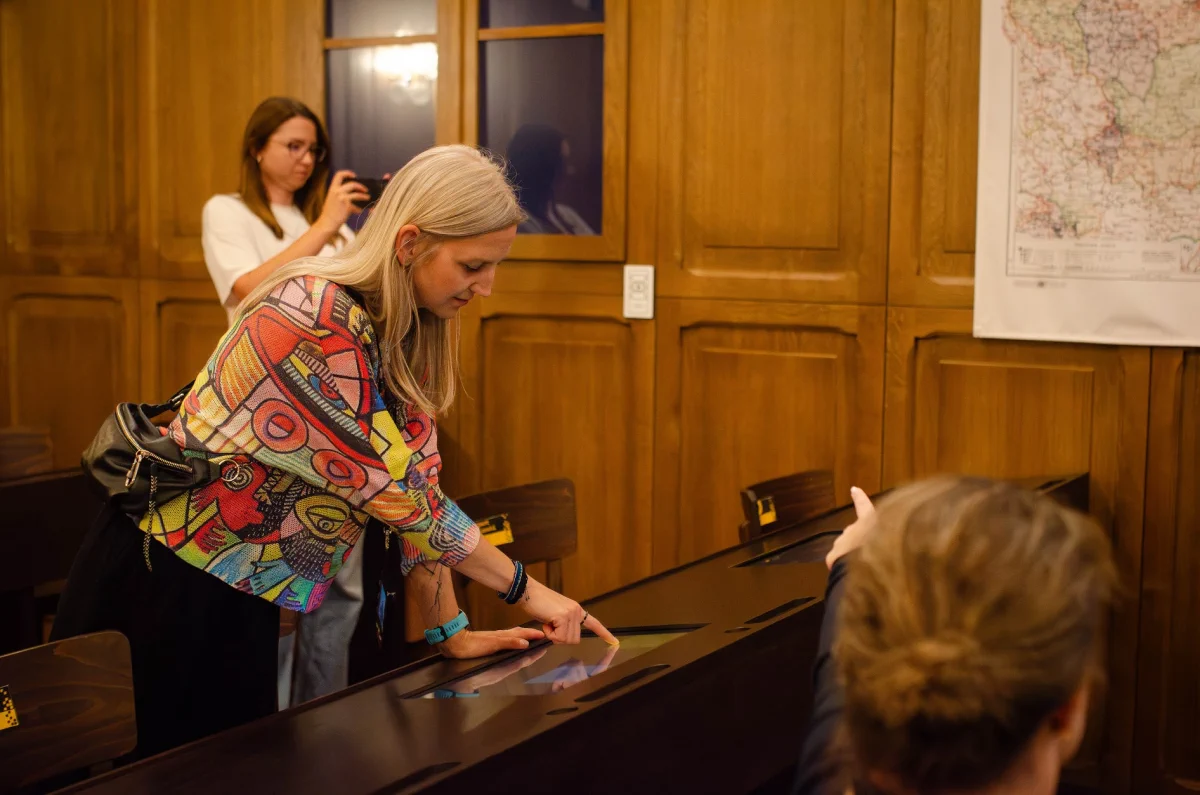
It is a venue for concerts, cinema, exhibitions and other cultural events, housed in a historic building. Over the years, much of the space has been made more accessible to people with reduced mobility. There is also a Komfortka on site.
However, temporary exhibitions are a particular challenge. Each new exhibition means having to rethink the needs of people with visual, hearing or mobility impairments, as well as people with different sensory needs.
One interesting practice is plain-language descriptions of artworks.
They do not replace the specialist texts. The two versions exist side by side, so visitors can choose the way of exploring the exhibition that suits their needs. This is an important lesson beyond culture, too: accessibility does not always mean simplifying something for everyone. Often it means giving users a choice.
An accessible cinema is about more than audio description
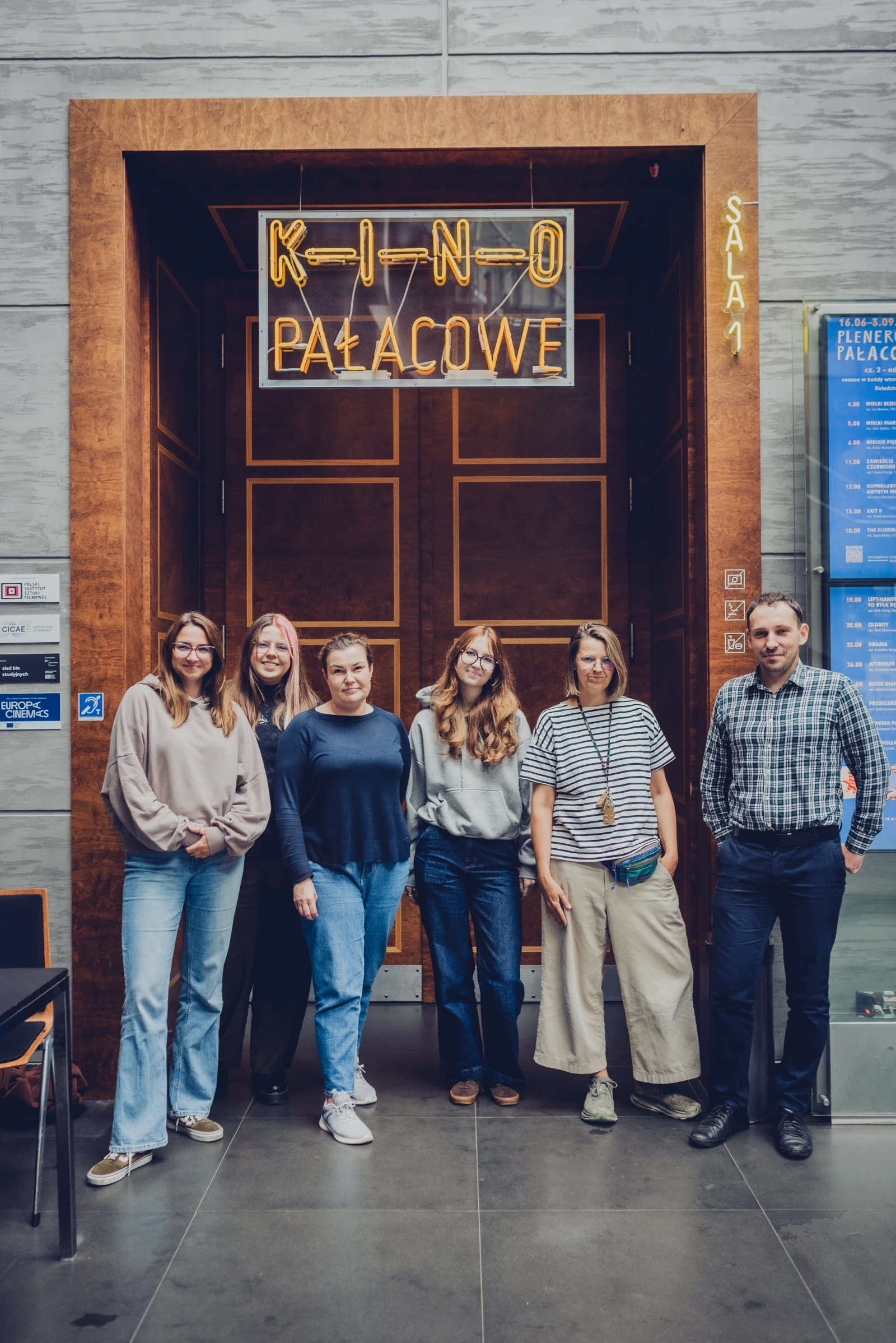
During our visit, we also met Joanna Stankiewicz, coordinator of the Kino Bez Barier (Cinema Without Barriers) programme, which has been running since 2022.
Kino Bez Barier sets accessibility standards in Polish and European cinema, building on the earlier experience of the “Wrażliwe obrazy” (“Sensitive Images”) project.
With Joanna Stankiewicz, we talked not only about the programme itself – regular screenings with audio description and Polish Sign Language interpretation – but above all about accessibility as a foundation of culture rather than an add-on to it. Joanna also told us about the painstaking work of building relationships with NGOs and specialist media, and about how the awards and certificates the project has received build its prestige and genuinely make fundraising easier. This success has translated into concrete funding: the project has received support to continue and expand, as well as a grant to develop accessible film screenings in several Central European countries, carried out together with partner cinemas in Wrocław and Jarocin.
Joanna also told us about Kino Bez Barier’s international cooperation, which shows that the needs of disabled people are universal, regardless of cultural context or country. We also touched on a topic that matters a lot to us – organising accessible events and accessible promotion. Here, too, communication proves to be key, and plain language genuinely helps reach audiences with clear information.
What we learned about accessibility in culture
After talking to four teams, several conclusions came up particularly often.
- Accessibility is a process, not a checklist
Users’ needs and the way institutions operate change over time. Solutions therefore need to be checked and improved regularly. - Nothing about us without us” should be a design practice Designing without the involvement of the people we are creating a solution for increases the risk that it will be correct in theory but useless in practice. Accessibility starts with getting to know your users.
- Plain language gives audiences a choice
It does not always have to replace specialist content. It can exist alongside it as an alternative way of taking in information. - Simple solutions can have a big impact
A quiet room, a properly equipped Komfortka or a well-prepared audio guide can genuinely change the user experience. - Accessibility covers the entire user journey
From finding information and getting there, through using the space and the content, to interacting with staff. - Staff knowledge is as important as infrastructure
An accessible building is not enough if the team does not understand their audiences’ needs and does not know how to respond to them.
So where do technology and AI fit into all this?
This question is particularly important for the AIMused project, which aims to use accessibility and artificial intelligence to make the experiences offered by museums and tourist attractions more accessible.
After our visit to Poznań, one conclusion stands out as especially important for us:
technology should support accessibility, not replace contact with users.
AI can help create and adapt content and develop new ways of engaging with culture. However, it cannot replace well-trained staff, conversations with audiences, or testing by the people who will actually use the solution.
Technology is a tool. Its value depends on whether it solves a real human problem.
When should you get in touch with Nautil?
If you want to know not only whether your institution is accessible, but what accessibility looks like from the perspective of the people who actually use it — we can find out together.
At Nautil, we combine expert knowledge with users’ lived experience. We analyse the entire journey: from finding information and getting there, through the space, communication and digital solutions, to the experience of the exhibition, event or service itself.
We help identify barriers, set priorities and turn findings into concrete solutions that can be implemented in your institution.
Accessibility does not have to start with a big change. It should start with the right question: what makes it difficult for people to use what we create today?
Foto: Weronika Podlesińska
Gallery