Accessibility that inspires – the State Ethnographic Museum in Warsaw leads by example!
We are thrilled to share a unique experience: the accessibility audit we had the pleasure of carrying out at the Państwowe Muzeum Etnograficzne w Warszawie (State Ethnographic Museum in Warsaw). It was a comprehensive audit...
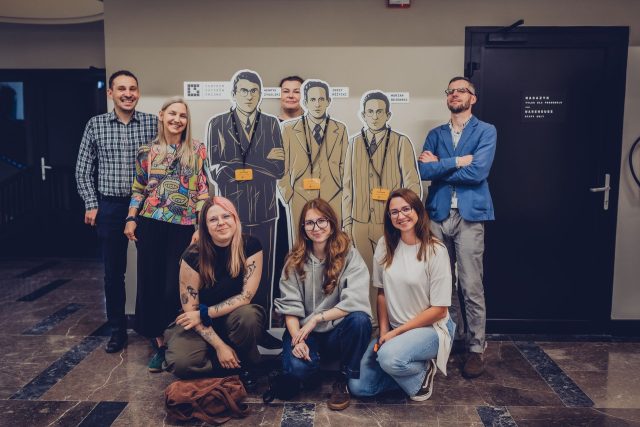
We are thrilled to share a unique experience related to the accessibility audit we had the pleasure of carrying out at the Państwowe Muzeum Etnograficzne w Warszawie (State Ethnographic Museum in Warsaw). It was a comprehensive audit covering architectural, communication and information, and digital accessibility. Most importantly, we conducted it together with people with disabilities – those who know best what “accessibility” really means.
We came to the museum together with our testers – a blind person, a Deaf person and a wheelchair user. Thanks to their involvement, we were able to thoroughly check how the solutions in the exhibition space work in practice and how visual and audio information and accessible communication function. ♂️♿
At the same time, our team of digital accessibility specialists analysed the museum's website. What impressed us most? The fact that the State Ethnographic Museum in Warsaw conducts its own user research – one of its studies involved as many as 9 people with different needs. This shows not only openness but also a methodical approach to accessibility that deserves the highest recognition.
We were also delighted by selected elements of the exhibitions:
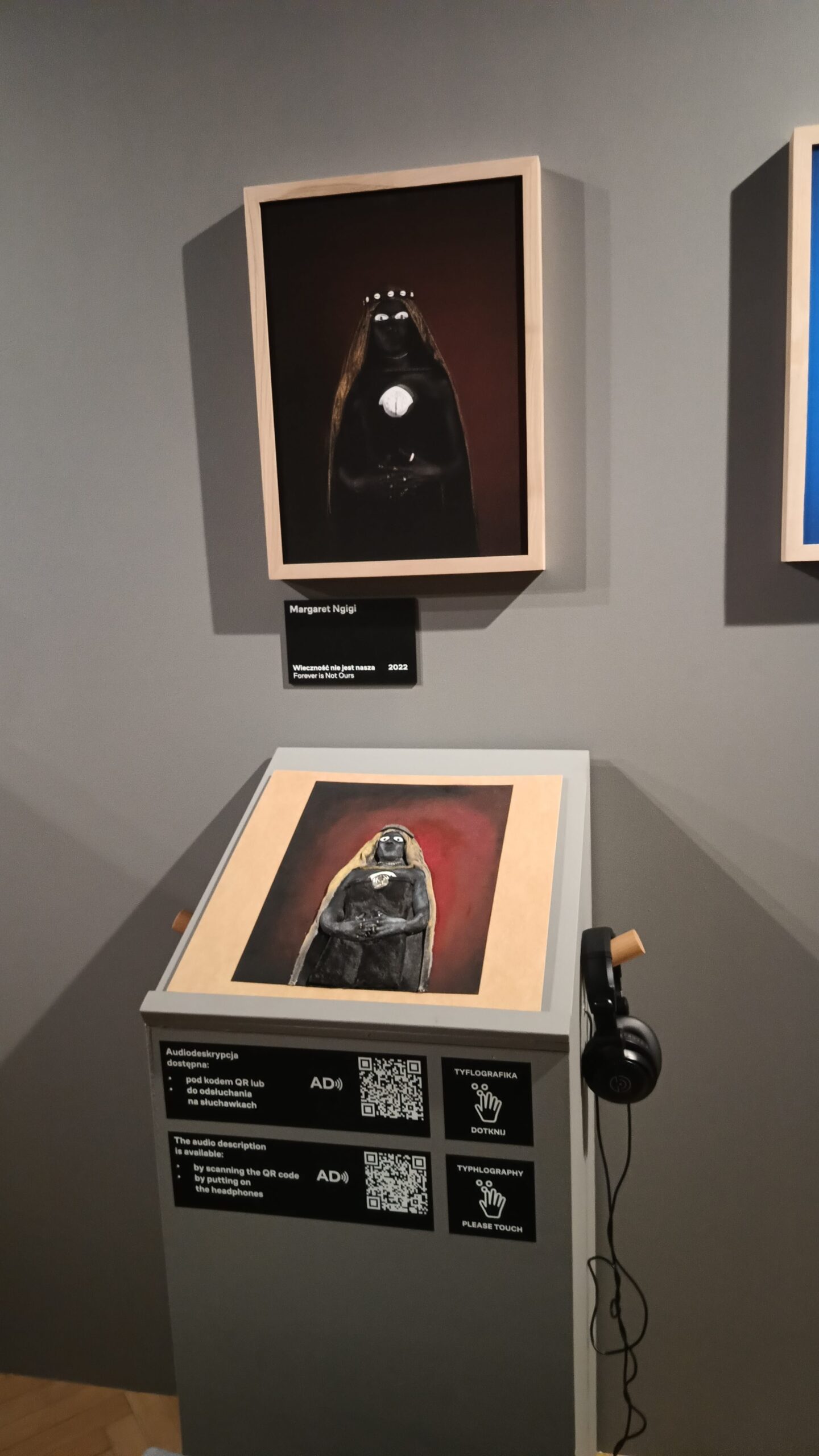
Tactile graphics of artworks – tactile images and structures that let visitors experience art through touch.
Sign language materials – professional, clear and well displayed.
Interactivity and well-thought-out solutions that allow both people with disabilities and children learning what accessibility is to enjoy the exhibition.
It is an excellent example showing that accessibility is not only about removing barriers, but about creating a space that is well thought out, open and welcoming to every visitor.
We are proud to have been part of this process and to have supported the State Ethnographic Museum in Warsaw in work that genuinely changes reality.
We also invite everyone to visit – the exhibitions are fascinating and it is well worth seeing how accessibility can enrich them.
We thank the museum team for their trust, commitment and for showing that it is possible to act responsibly, wisely and with heart.
The “Dostępne PME” (Accessible PME) project is carried out under the “Projektowanie uniwersalne kultury – dostępność instytucji kultury” (Universal design of culture – accessibility of cultural institutions) programme, financed by the European Union under Measure 3.3 “Systemic Improvement of Accessibility” of Priority III “Accessibility and Services for People with Disabilities” of the European Funds for Social Development 2021–2027 Programme, implemented by the Narodowe Centrum Kultury (National Centre for Culture) in cooperation with the Państwowy Fundusz Rehabilitacji Osób Niepełnosprawnych (State Fund for Rehabilitation of Disabled Persons).